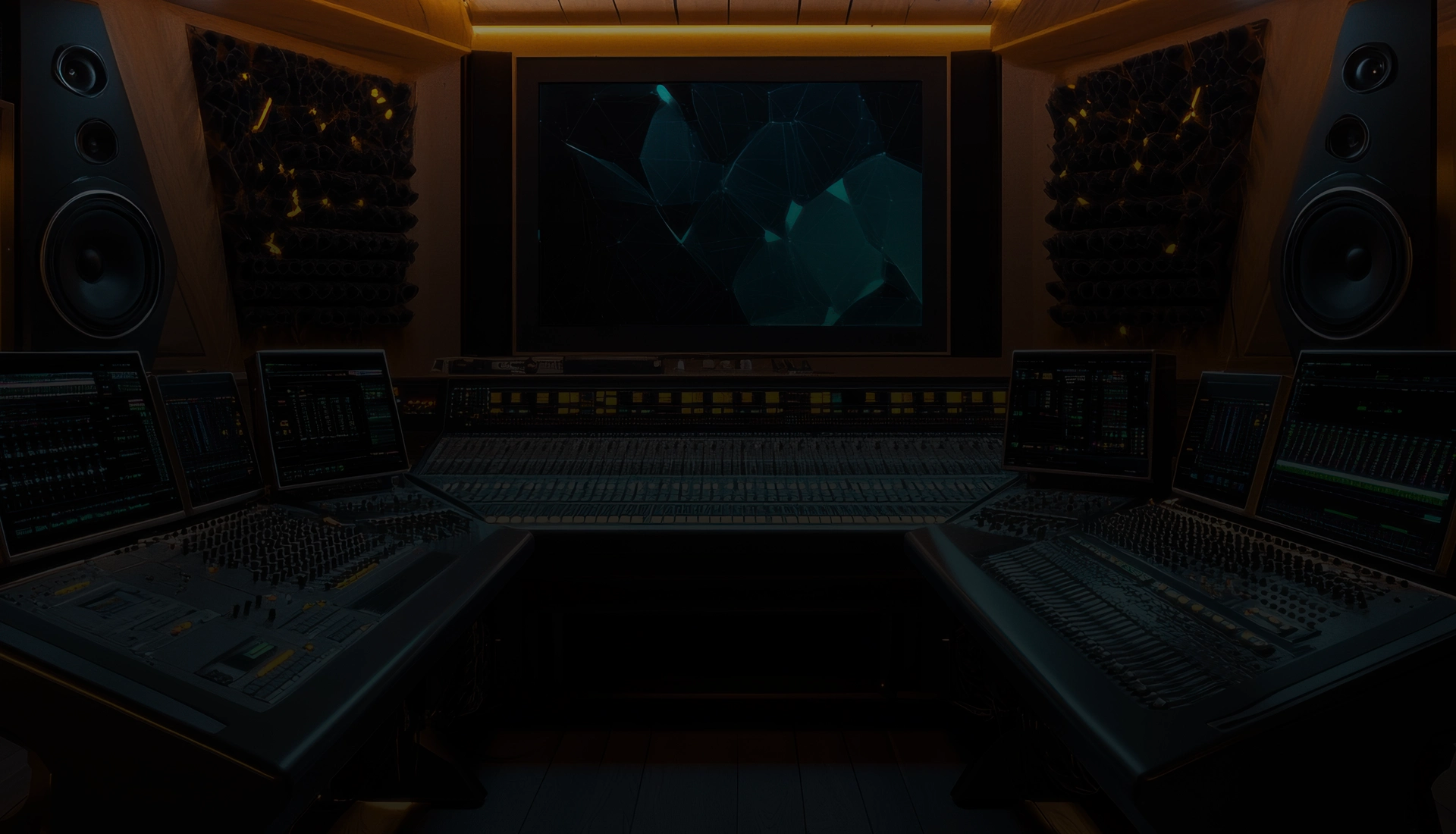
Precision engineering in modern audio production environments
Sonic excellence defines professional output.
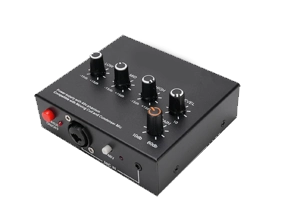
HIGH-FIDELITY SIGNAL CHAINS
Preamplifiers boost low-level microphone signals while maintaining a low noise floor for pristine recordings.

ACOUSTIC TRANSDUCER TECHNOLOGY
Dynamic microphones handle high sound pressure levels, making them ideal for capturing loud drums.
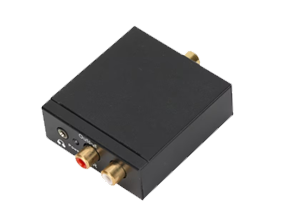
DIGITAL CONVERSION STANDARDS
Analog-to-digital converters sample waveforms at high rates to preserve the harmonic content of instruments.
THE ART OF STUDIO MIXING
Balancing frequency spectrums

Mixing transforms raw multitrack recordings into a cohesive stereo or immersive audio file ready for commercial release. The engineer meticulously balances individual volume levels while applying equalization to carve out specific frequency ranges for every instrument, preventing masking issues. Dynamic range compression controls transient peaks, ensuring the track meets industry-standard loudness targets without sacrificing the natural impact of the performance. Spatial effects like convolution reverb and digital delay create a sense of three-dimensional depth, placing elements front and center or pushing them into the background. Automation brings the mix to life by varying parameters over time.
MUSIC INDUSTRY ECOSYSTEM

GLOBAL DISTRIBUTION NETWORKS
Digital aggregators serve as the bridge between independent artists and major streaming platforms, handling the complex metadata requirements that ensure tracks are searchable and properly credited across global databases. They deliver master files to services worldwide simultaneously.
RIGHTS AND ROYALTIES
Performance rights organizations monitor broadcasts and public performances to collect royalties for songwriters and publishers. This complex tracking system utilizes digital fingerprinting technology to identify copyrighted material played on radio, television, and digital streams, ensuring fair compensation.


AUDIENCE DATA ANALYTICS
Streaming platforms provide granular data regarding listener demographics, skip rates, and playlist inclusions. Labels and management teams analyze these metrics to route tours effectively, targeting cities where listener engagement and monthly active user counts are highest.
Integrating complex wireless systems for large-scale stage productions
Radio frequency coordination prevents interference between wireless microphones, in-ear monitor packs, and instrument transmitters. Technicians scan the local spectrum to identify available channels and assign frequencies that do not intermodulate.
ADVANCED SOUND TECHNOLOGIES

ROOM ACOUSTICS ANALYSIS
Measurement microphones detect standing waves and flutter echoes that distort the monitoring accuracy within a control room environment.

BINAURAL AUDIO SYNTHESIS
Head-related transfer functions simulate how human ears perceive directionality, enabling 3D audio experiences through standard stereo headphones.

LATENCY REDUCTION PROTOCOLS
Thunderbolt and Dante connectivity allow audio data to travel between devices with sub-millisecond delay for real-time processing.

ANALOG CIRCUIT MODELING
Component-level modeling recreates the non-linear saturation characteristics of vintage tubes and transformers within digital audio workstation plugins.
LIVE EVENT ENGINEERING
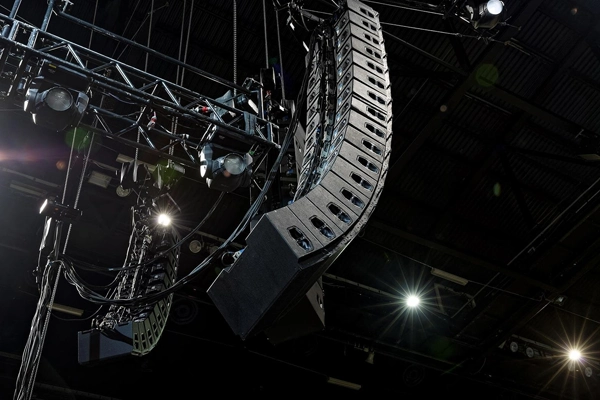
Line array physics
Vertical speaker columns utilize constructive interference to project sound over long distances with minimal drop-off. System technicians use prediction software to calculate the precise inter-box angles required to cover stadium seating while avoiding reflections off walls and ceilings.
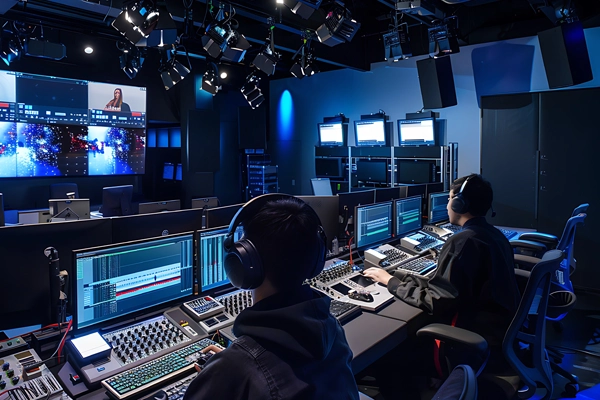
Monitor mixing strategies
Musicians rely on dedicated mixes sent to in-ear monitors to maintain timing and pitch accuracy. The monitor engineer communicates directly with the band, adjusting levels for click tracks and communication channels to ensure a cohesive performance on stage.
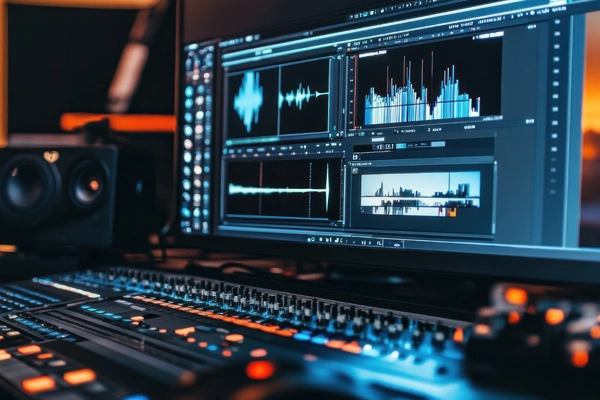
System tuning alignment
Time-aligning the main PA system with subwoofers and front-fills ensures the phase relationship remains coherent at the crossover points. This process maximizes impact and clarity for the audience, regardless of where they are standing in the venue.